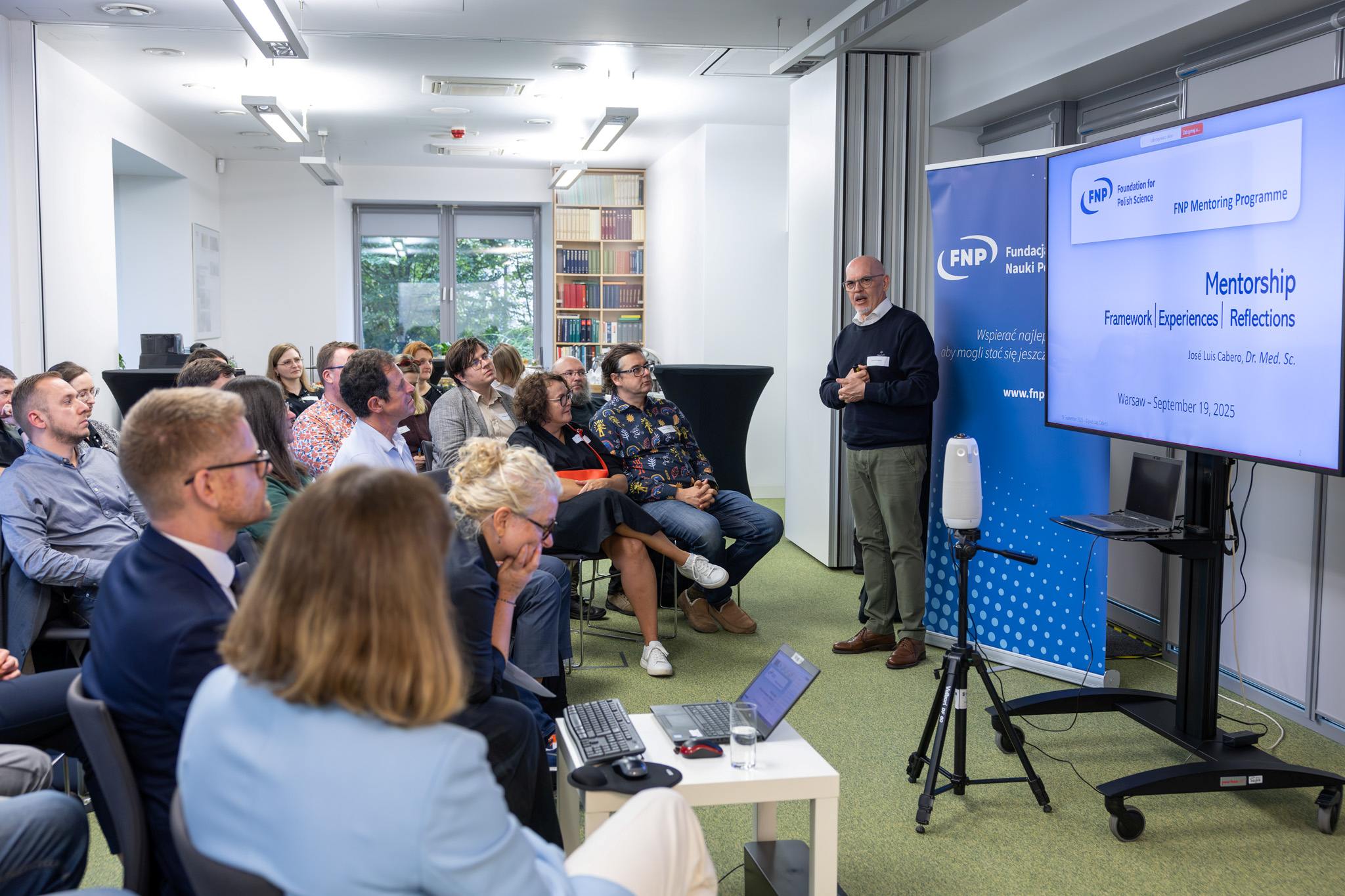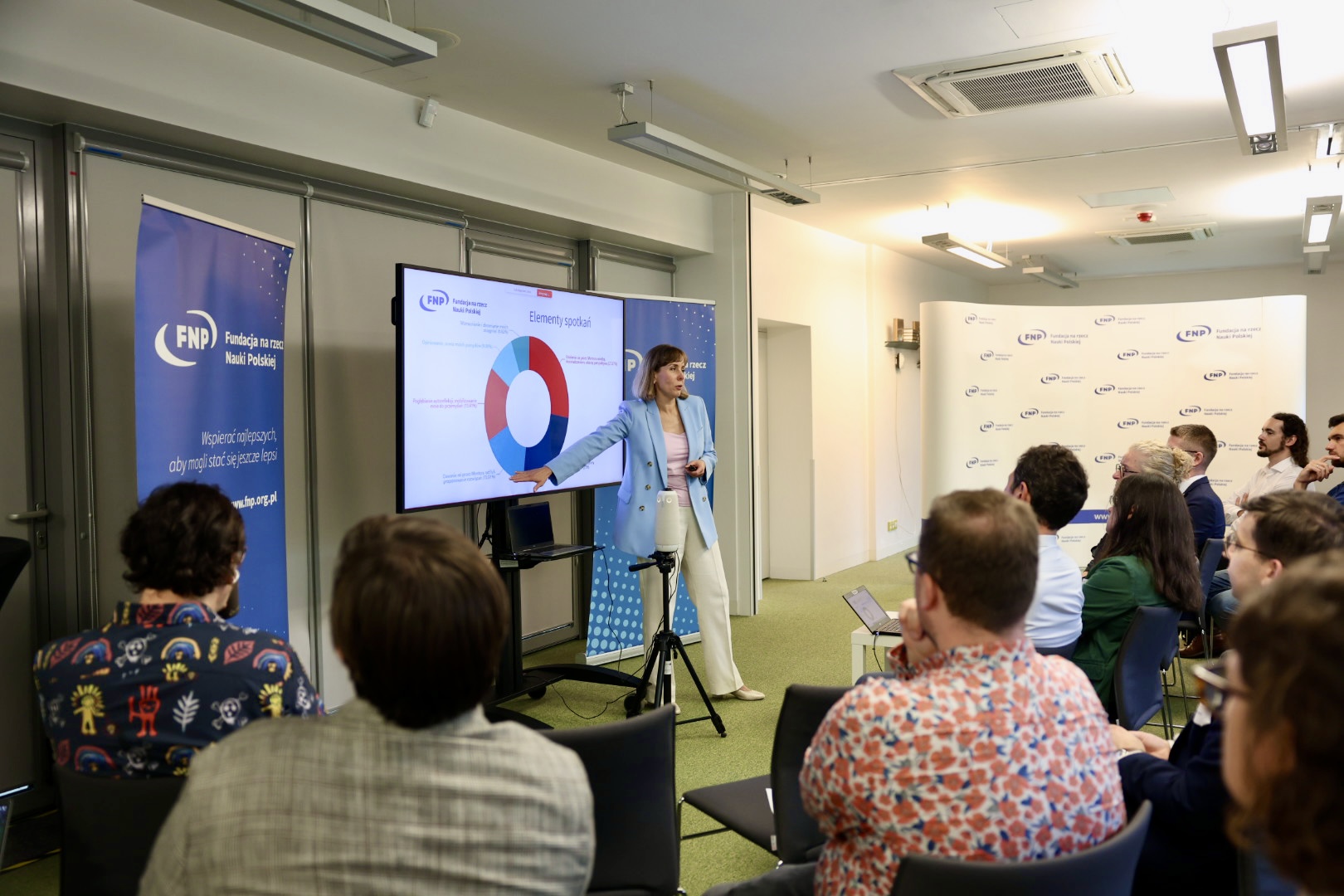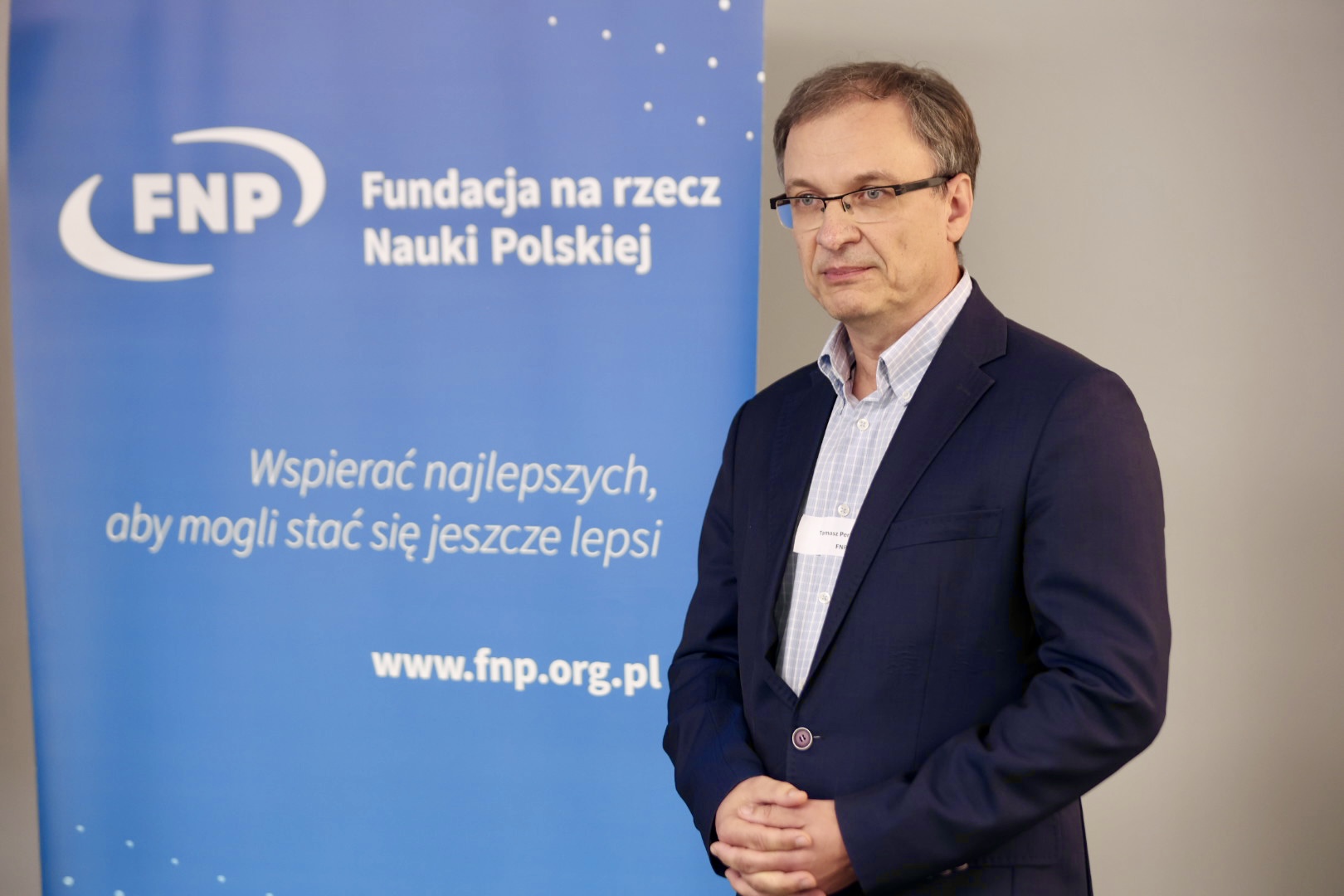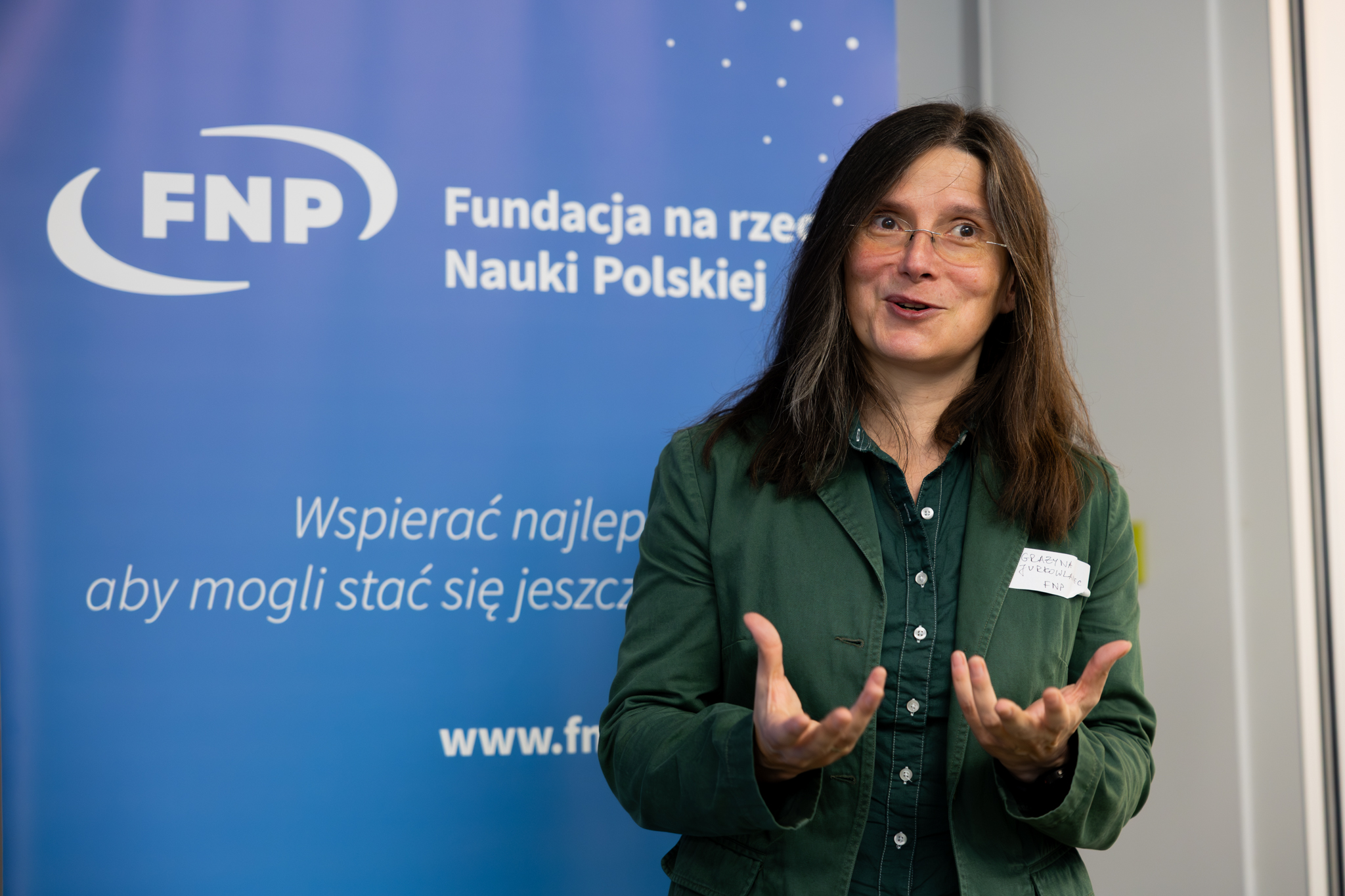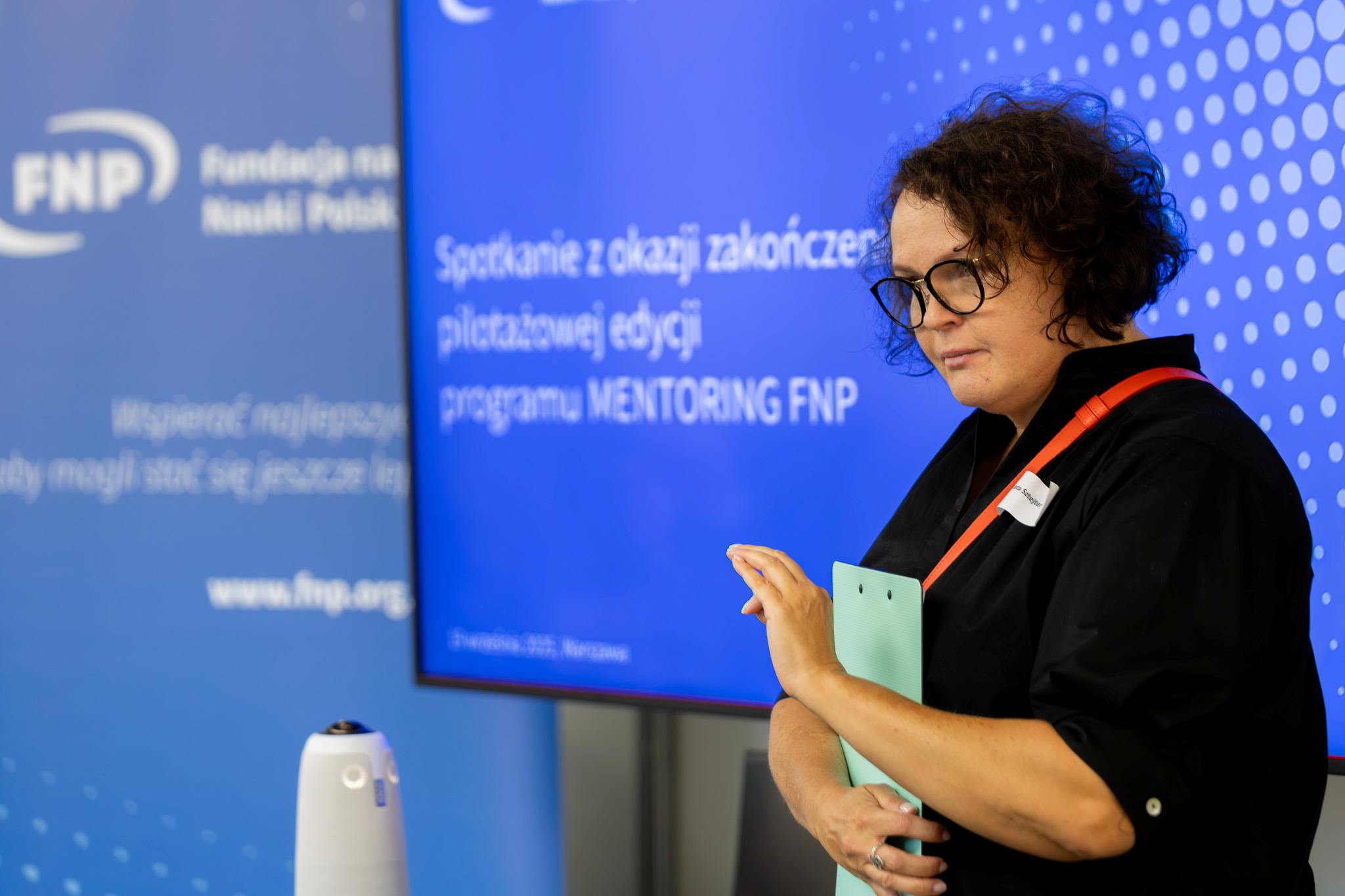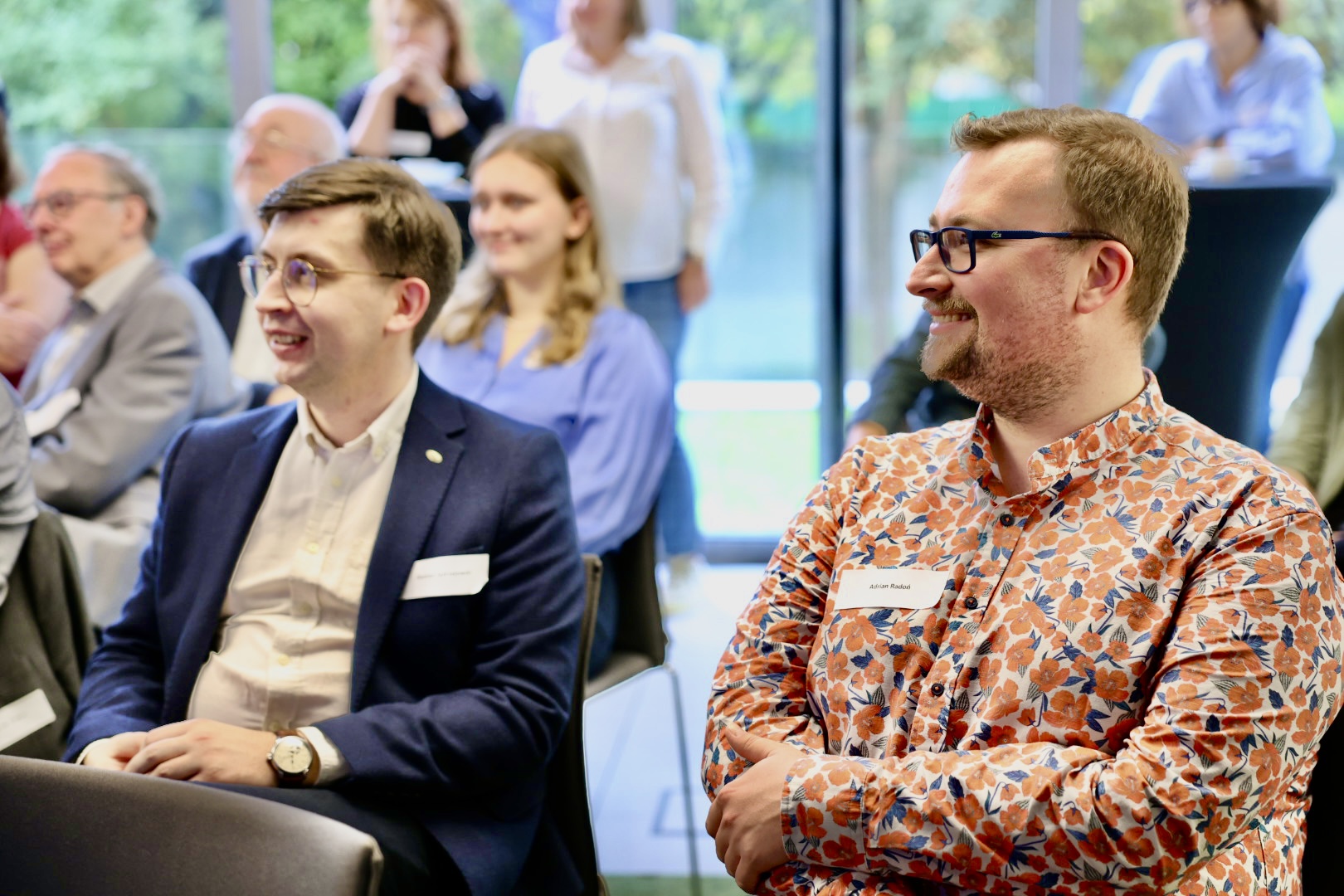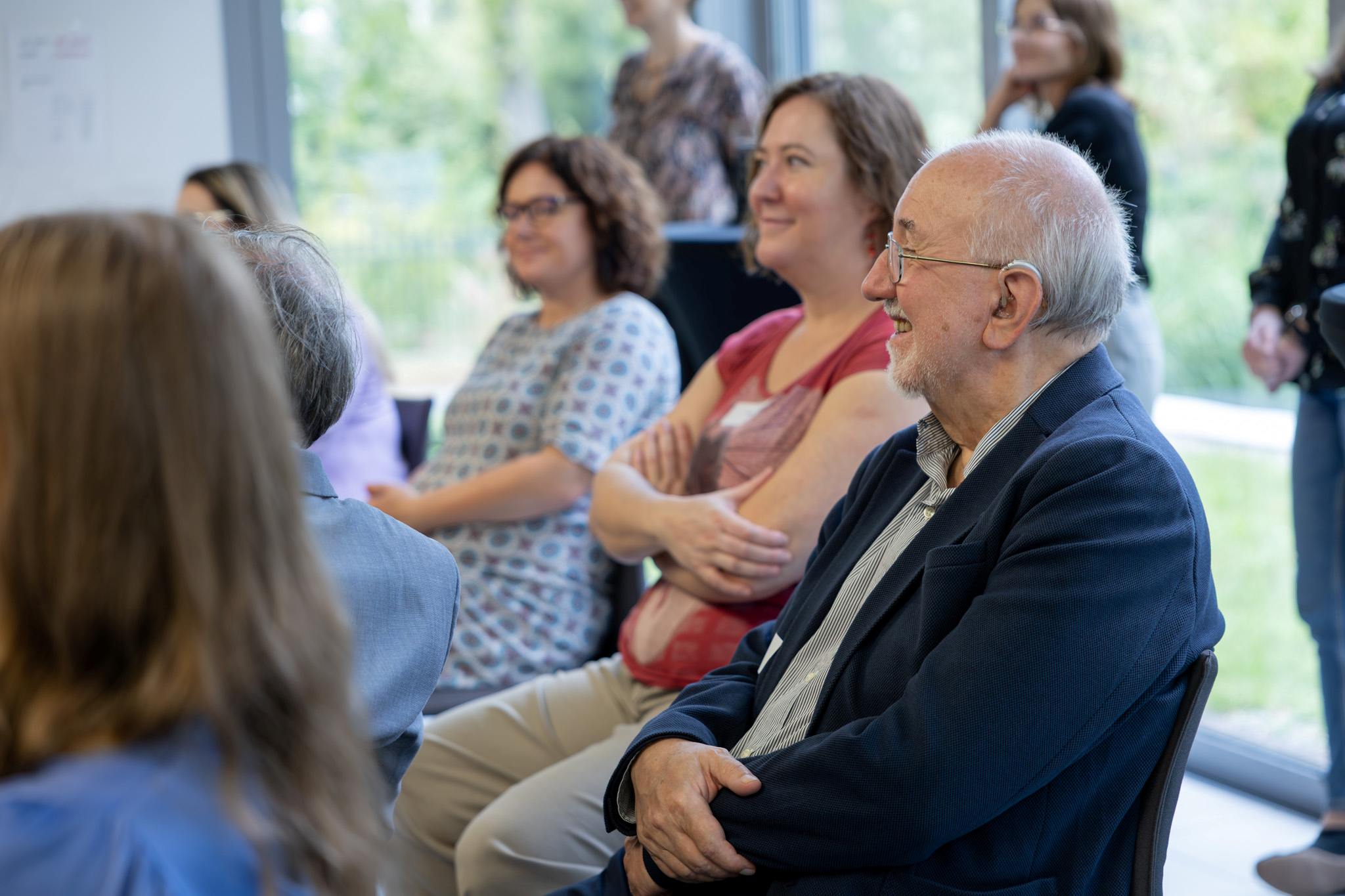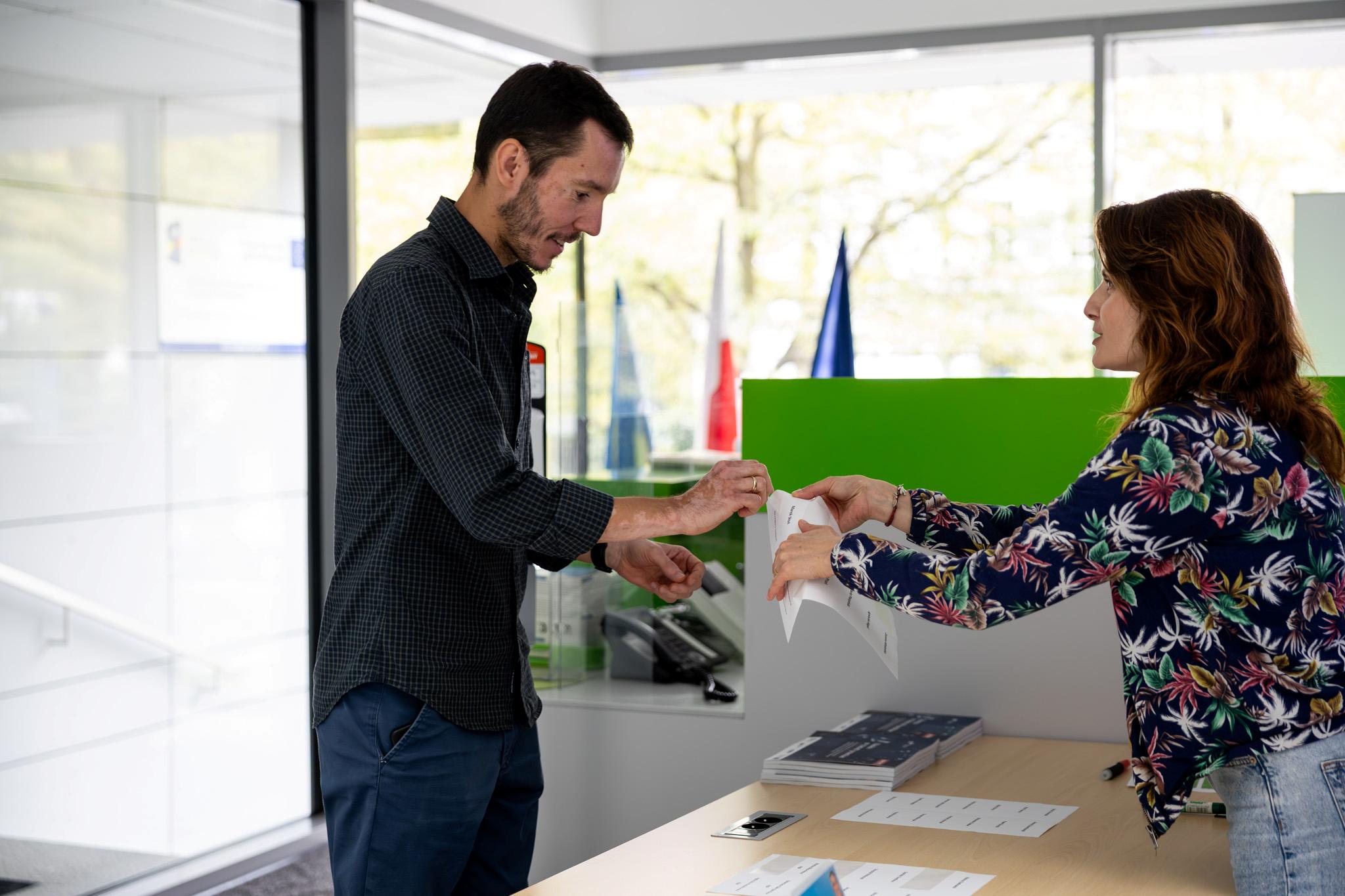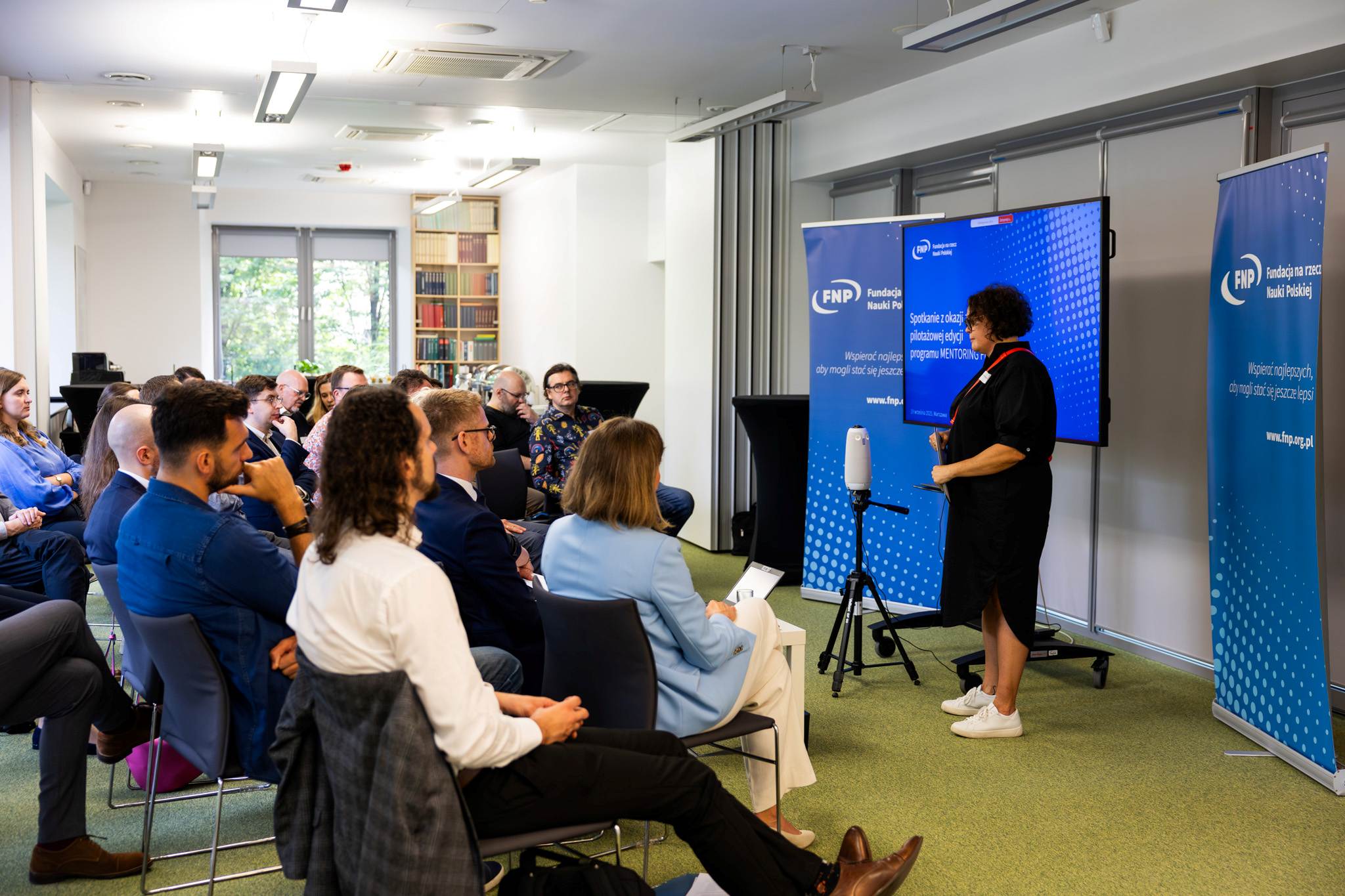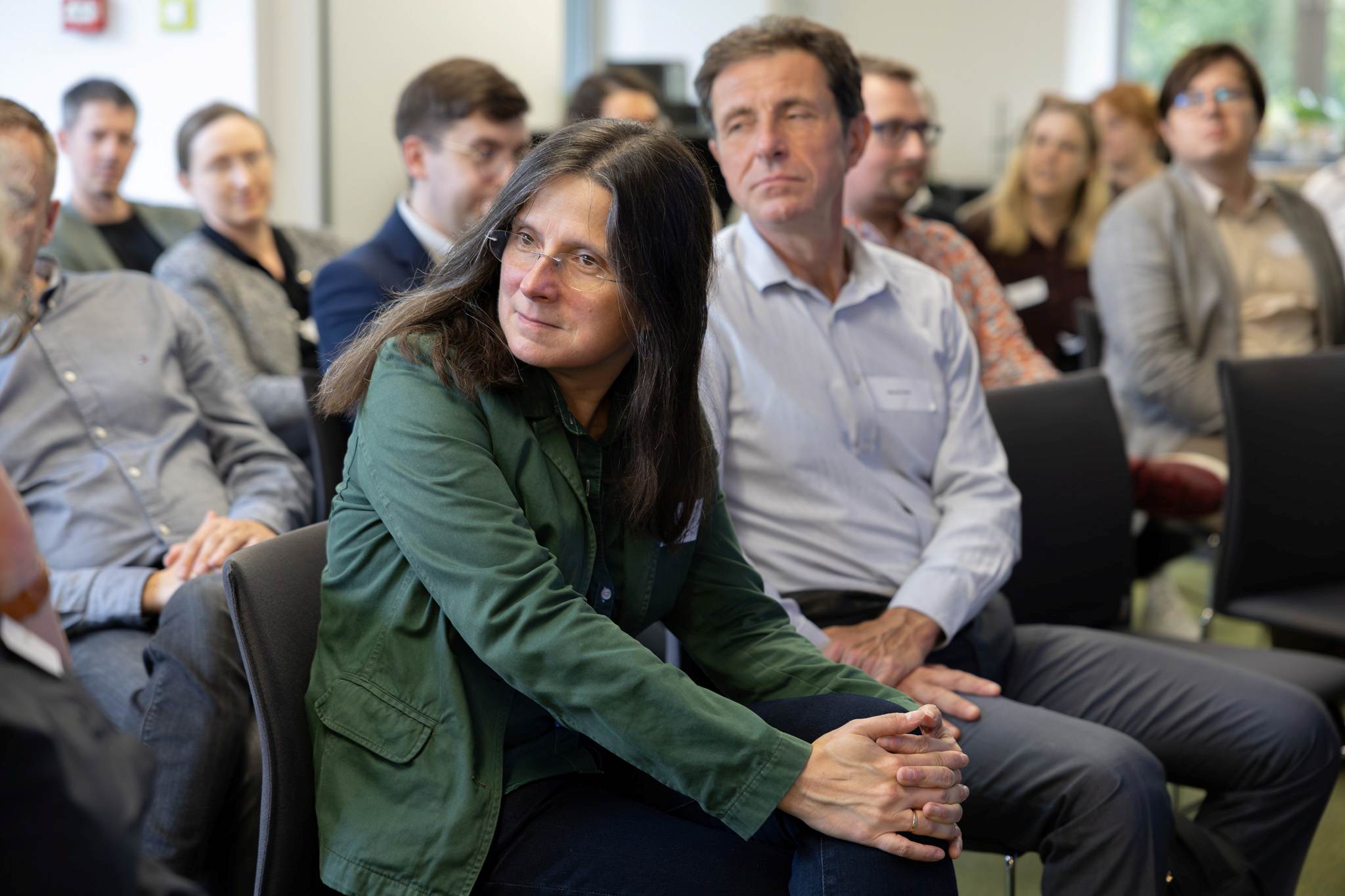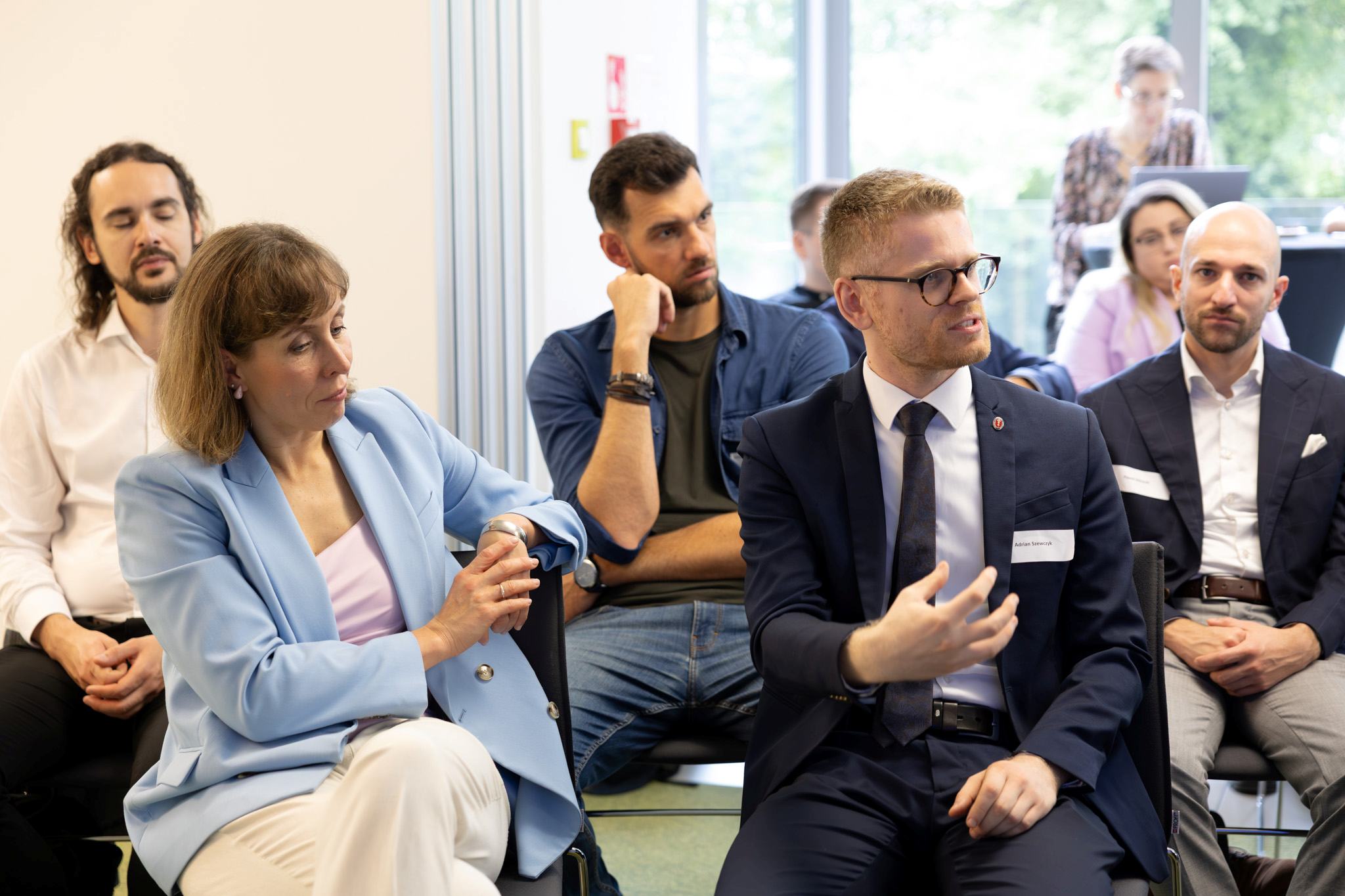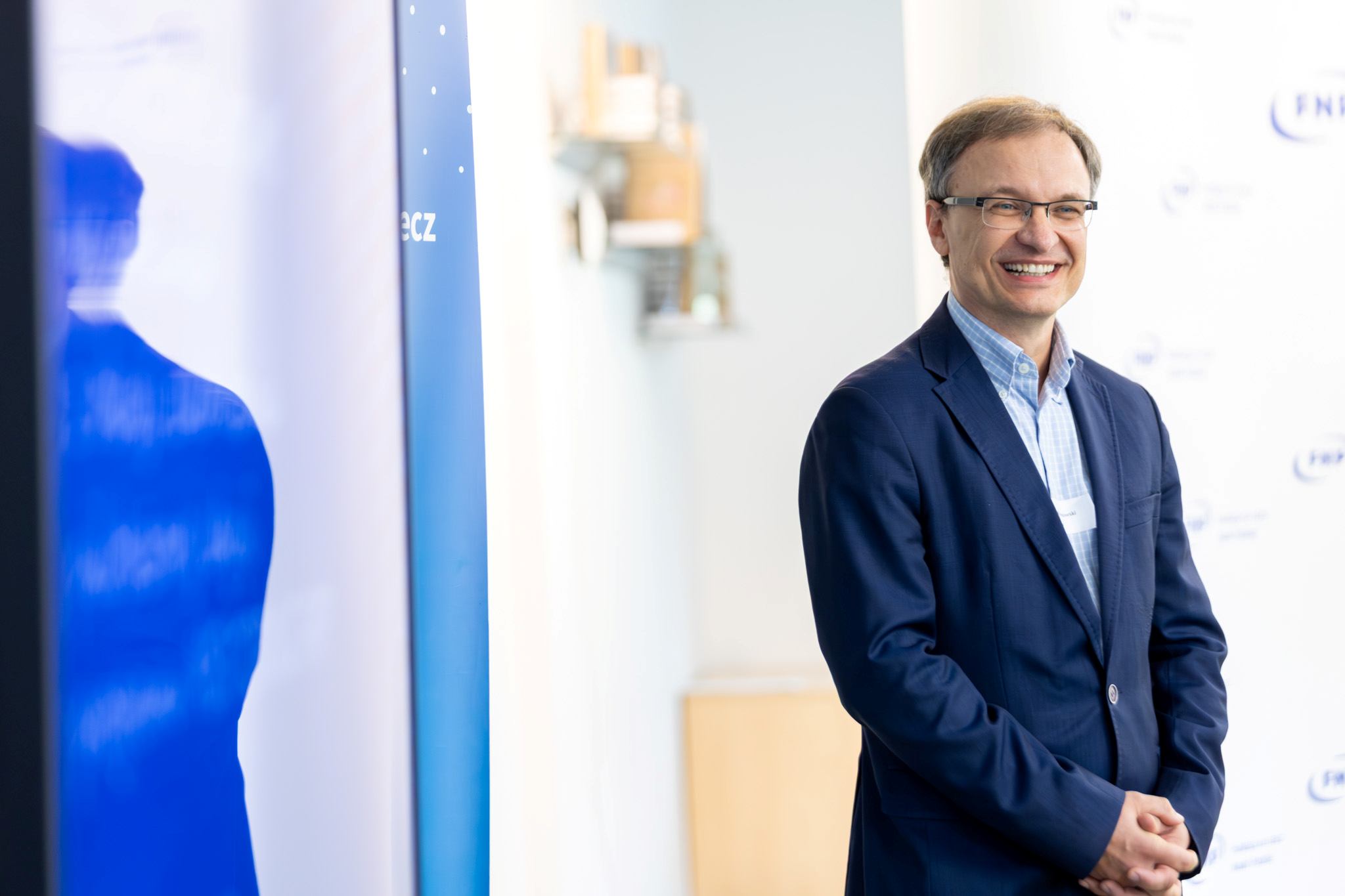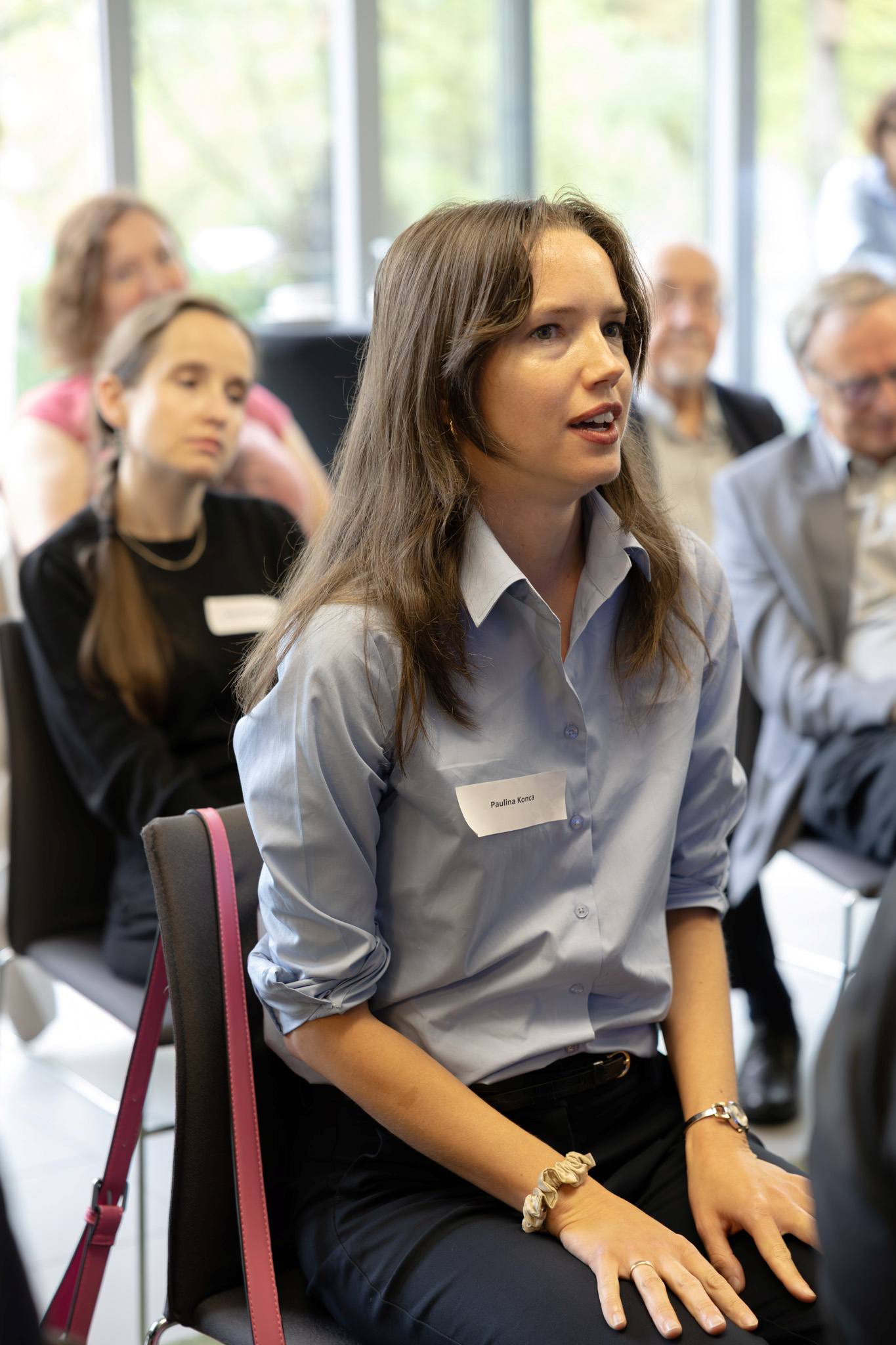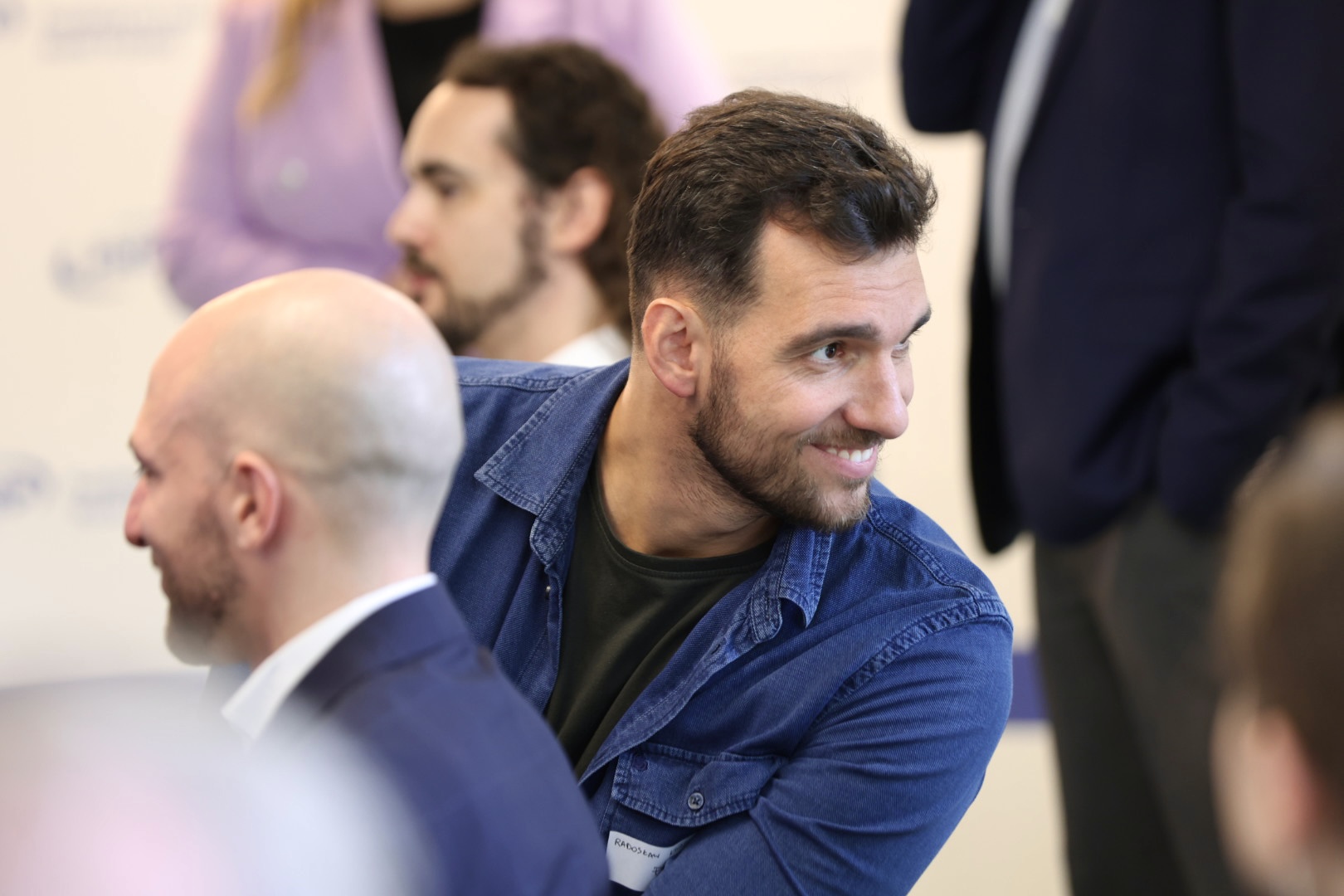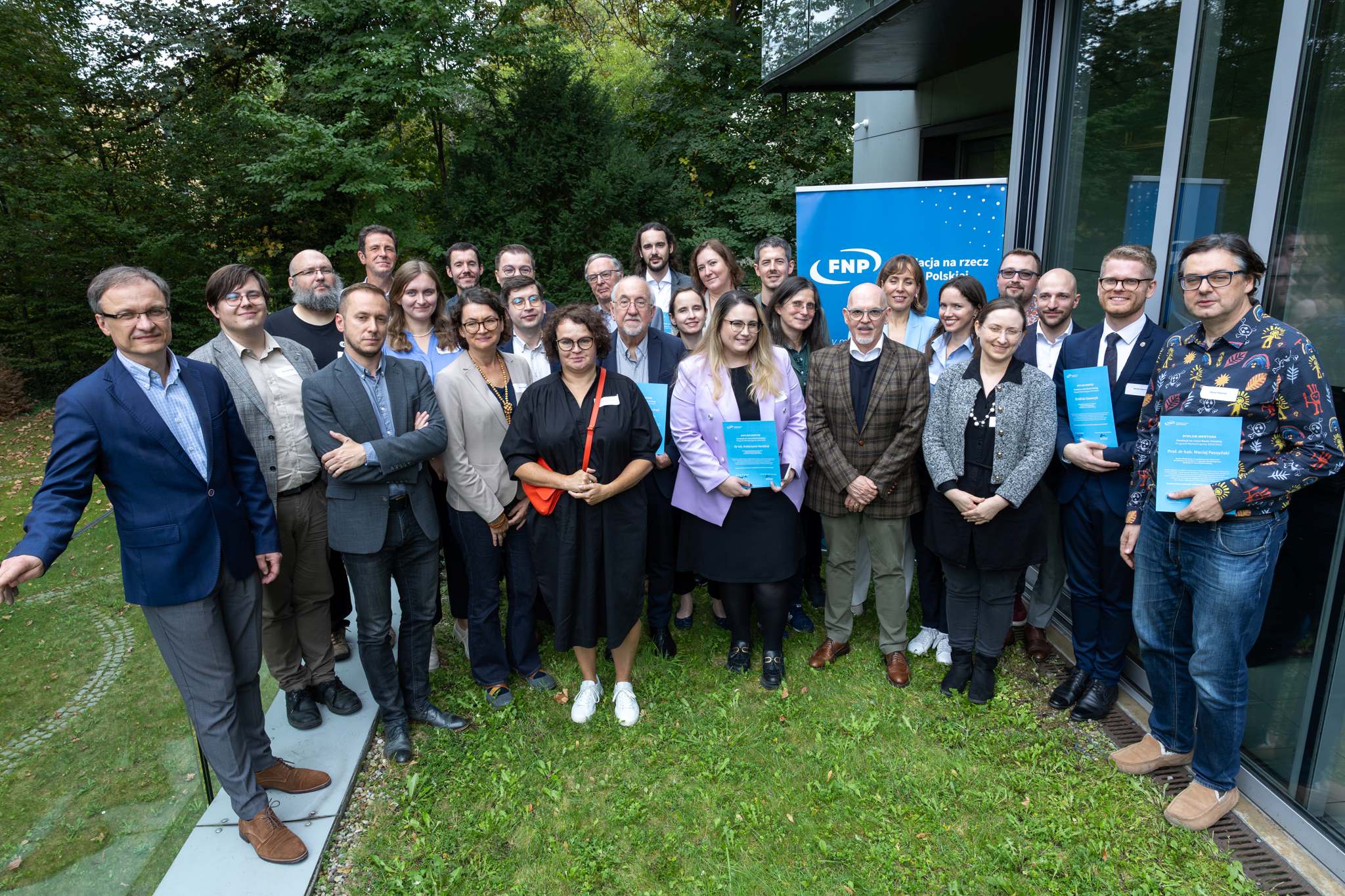
19 mentoring pairs, 10 months of joint work, over 100 mentoring meetings held online and offline, and 6 training sessions – on Friday, September 19, at the headquarters of the Foundation for Polish Science (FNP), we summed up the pilot edition of the #FNPMentoring Programme.
Programme participants attended the meeting. They included current and former holders of the FNP START scholarship (mentees), laureates of other FNP programmes (mentors), representatives of the FNP Executive Board and the FNP Council, as well as FNP staff and guests, including Małgorzata Sztejter, academic supervisor of the pilot edition of the FNP Mentoring Programme, and José Luis Cabero, PhD, mentor, advisor, and manager.
The event was an opportunity to reflect on the pilot edition’s progress, its strengths, and areas for improvement. It was also a space to discuss the role of mentoring in supporting the researchers’ professional development and shaping the future of science.
Changing the perspective
Participants unanimously stressed that the mentoring experience changes the perspective, not only the scientific one. It allows them to pause, reflect, and better understand their own limitations and opportunities. Mentees emphasised outcomes in the form of real professional and personal development, as well as an increased sense of agency and courage to act.
They valued meetings with mentors from both similar research areas and other disciplines. As they noted, stepping outside their own environment helped them break patterns and generated inspiring ideas.
They found it equally important that the programme did not only aim to achieve a specific indicator or result, but rather focused on the development process. As they underlined, goals evolved in the process, and the course of cooperation proved valuable in itself.
Benefits for both sides
For mentors, participation in the programme was an opportunity to open up to a new perspective and to reflect on how best to provide guidance so as to become a companion, not just a critic. The programme provided an important lesson that mentoring is not only about giving advice, but about creating space for asking meaningful questions and discovering answers together with the mentee. Moreover, mentors stressed that the programme gave them a fresh look at their own work, and even helped them discover its broader social meaning.
Mentoring as an opportunity
As Małgorzata Sztejter underlined: “Mentoring can become an impulse for regular reflection, it can strengthen the feeling of being appreciated and supported, and foster curiosity instead of judgement.” The special guest, José Luis Cabero, PhD, also shared some significant remarks. He encouraged participants to question each other’s way of thinking during mentoring conversations and to discuss new, sometimes unexpected development scenarios with both their risks and opportunities.
At the end of the meeting, all programme participants received commemorative diplomas.
We invite you to browse through the photo gallery from the event.
- More about the FNP Mentoring Programme