Winners of the FOR UKRAINE Programme
PhD Małgorzata Łukianow

PhD in Sociology, specializes in memory studies, cultural sociology, and research on social change. She is currently affiliated with the University of Warsaw. Previously, she worked at the Polish Academy of Sciences and Chemnitz University of Technology.
In 2024, she was a Widzinski Senior Fellow at the University of Michigan. Her research focuses on difficult heritage and memory studies. She co-edited the monograph No Neighbours’ Lands in Postwar Europe: Vanishing ‘Others’ (Palgrave Macmillan, 2022) and the monograph Pamiętniki Pandemii (Krytyka Polityczna, 2022), devoted to personal documents from the pandemic period. Her interests include memory studies, sociology of knowledge, and cultural sociology.
She co-chairs the Polish Regional Group of the Memory Studies Association.
PhD Kristina But
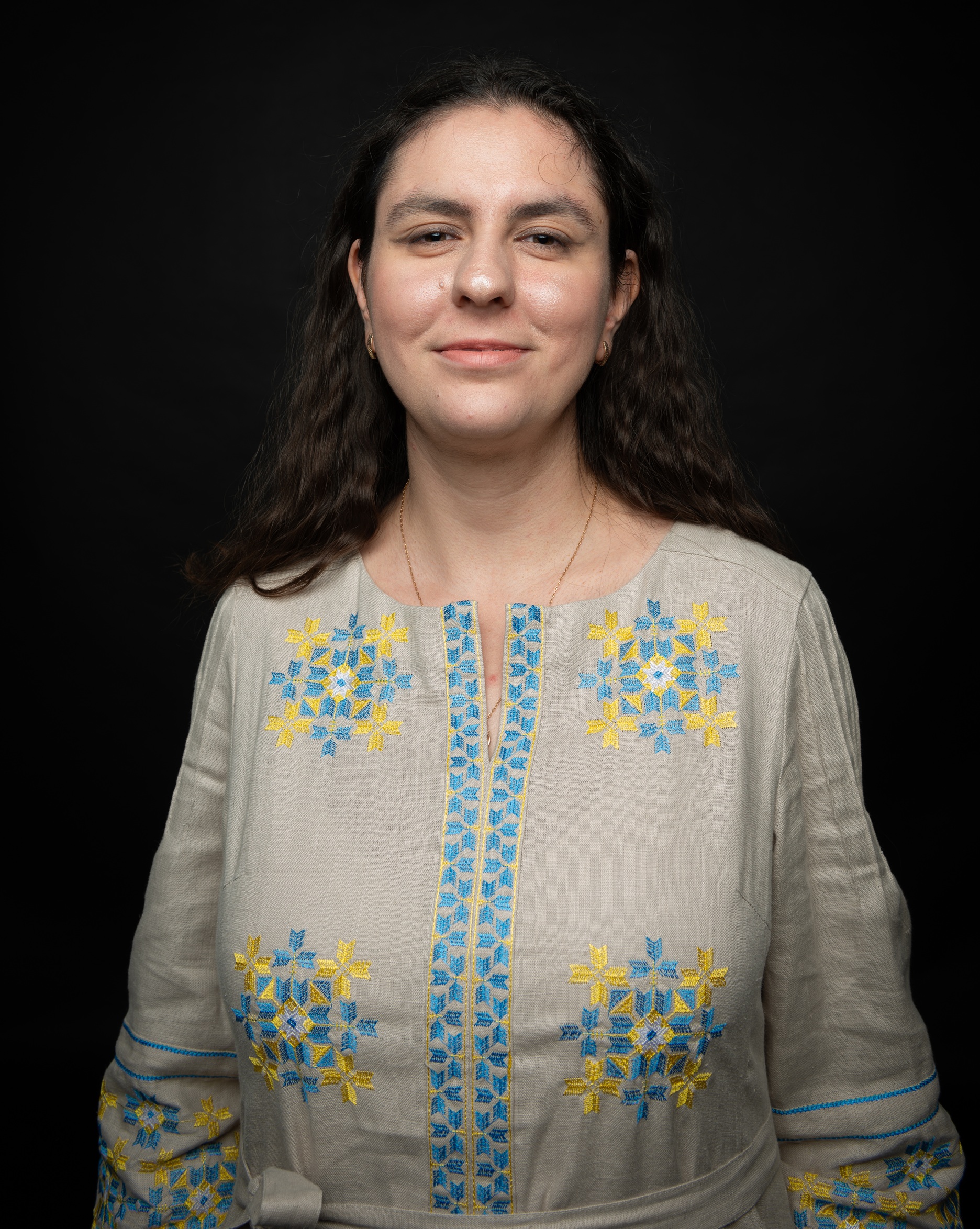
PhD in Journalism, researcher at the Department of Journalism, Borys Grinchenko Kyiv Metropolitan University. From September 2024 to August 2025, she worked as a lecturer in the Department of International Journalism at Borys Grinchenko Kyiv Metropolitan University.
She is a Weiser Center for Europe and Eurasia (WCEE) fellow at the University of Michigan. Born and raised in Melitopol, Ukraine. She was forced to relocate in 2022 due to Russia’s full-scale invasion. As a freelance journalist, she focuses on temporarily occupied territories of Ukraine, human rights, and civic activism.
In April 2023, she launched Platforma to Be, an online platform regularly updated to explore experiences of grief. In December 2023, she founded the NGO To Be, aimed at supporting people experiencing loss through informational and psychological initiatives. The organization conducts social campaigns, carries out in-depth research, and provides protective support to individuals in mourning, family members and military personnel, internally displaced persons, people with disabilities, and those requiring palliative and hospice care.
The project's title is “The Making of Memory: Early Grassroots Commemorations and Digital Activism in Wartime Ukraine”.
The project aims to examine how the people of Ukraine have created their own forms of commemorating the war since Russia’s full-scale invasion in February 2022. From the very first days of the conflict, numerous grassroots initiatives emerged, both in public spaces and online. They intended to honor victims, preserve experiences, and protect them from being forgotten. Unlike official monuments or state ceremonies, these spontaneous actions ranging from modest memorials to digital commemorations on social media demonstrate how communities respond to violence in real time and build civic resilience. Digital memory is here of particular significance. It includes ephemeral content such as social media posts or live streams, which quickly disappear but evoke strong emotions and foster a shared sense of community.
The study covers the period from the first days of the war, with a focus on the consequences of crimes in Bucha and Irpin, up to the third anniversary of the invasion. The project contributes to broader debates on collective memory and the role of digital forms of participation in conflict zones, highlighting grassroots practices of memory preservation as vital components of social and civic life.